
Solar PV Cost in 2026: What Drives the Price?
What does a solar power system cost in 2026? How panels, inverters, mounting, batteries and site conditions set the price for roof, ground and irrigation.
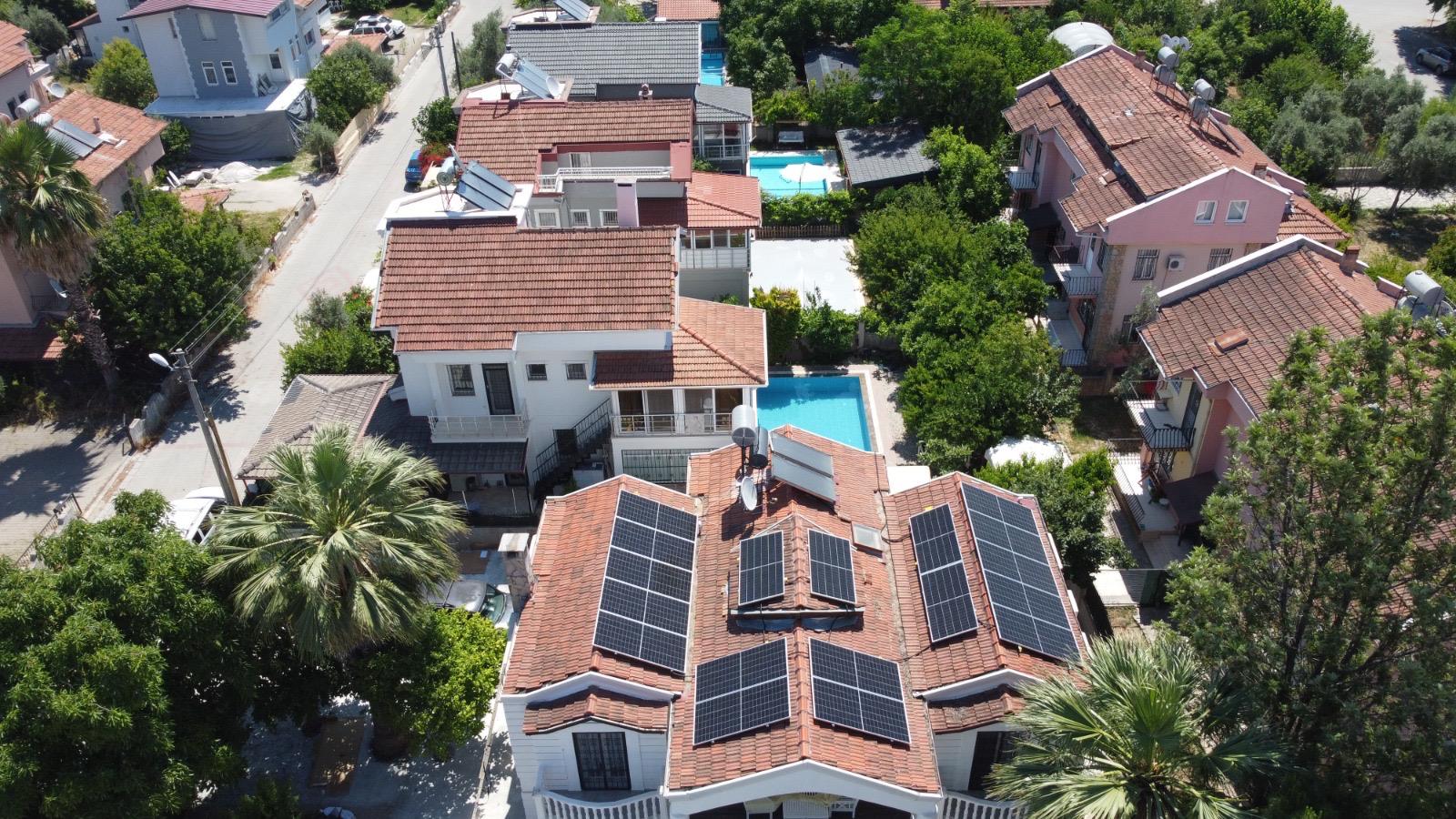
Short answer: the cost of installing a solar power system in 2026 cannot be given as a single figure. The price depends on the system’s installed capacity (kWp), the choice of panels and inverter, the mounting structure, roof or land conditions, the grid connection and whether batteries are needed. An accurate price comes from a project-specific quote based on your electricity bills and a site survey.
Solar power systems have become a common investment for businesses, factories, farmers and homeowners who want to cut electricity costs and produce their own power. This guide covers what drives the price of a solar installation, how the right system size is found and how to compare quotes.
What determines the cost of a solar installation?
The total investment is not just the number of panels. The main cost items are:
- Solar panels: technology, output and brand
- Inverter: capacity, type (grid-tied, hybrid, off-grid) and brand
- Mounting structure: suited to the roof or ground type
- DC and AC cabling
- Protection and electrical equipment
- Design and engineering
- Installation and labour
- Roof or land conditions
- Grid connection requirements
- Energy storage (battery) system
- Transport and site conditions
This is why two systems with the same installed capacity can have different total costs.
What size solar system do you need?
System size is set by your electricity consumption. Higher monthly consumption calls for a larger photovoltaic system, but monthly consumption alone is not enough. These criteria also have to be assessed:
- The hours of the day when power is used
- The share of daytime consumption
- Seasonal changes
- Available roof or land area
- Roof orientation and pitch
- Shading
- Existing electrical infrastructure
A sound solar project is designed from the site’s real consumption profile.
Rooftop or ground-mounted solar?
A solar system can be installed on building roofs or on suitable land. The two differ in cost items and in the technical assessment they need.
Rooftop solar
Used on the roofs of factories, warehouses, businesses, commercial buildings and homes. A rooftop project assesses:
- The roof’s load-bearing structure
- The roof covering
- Panel layout
- Shading
- Roof orientation and pitch
- Mounting connections
- Fire and electrical safety
Ground-mounted solar
On land, besides the panel layout, the terrain, soil, slope, mounting structure and site infrastructure are assessed. That is why the site survey and engineering work directly affect the cost of a ground-mounted system.
Solar power for agricultural irrigation
A solar irrigation system (solar pump) runs a well or tank pump on electricity produced by solar panels. It is a strong option on farmland with no grid connection or with weak electrical infrastructure.
When designing an irrigation system, Aden Solar assesses together:
- Pump power
- Daily running time
- Well characteristics
- Required water flow
- Solar conditions in the region
When to choose a battery or hybrid system?
Not every solar system has to be grid-tied. Where power must never cut out, or where there is no grid, battery (off-grid) or hybrid systems are chosen. In these systems the energy from the panels is used directly or stored in batteries.
Battery capacity is sized from:
- Daily energy consumption
- Critical loads
- Power needed during an outage
- Night-time consumption
- Required backup time
How to compare solar quotes
A solar system is an energy investment meant to run for many years. Comparing quotes on total price alone can mislead; a system that looks cheap is not always more economical in the long run. Compare in every quote:
- Panel specifications
- Inverter brand and capacity
- Mounting structure quality
- Cabling and protection equipment
- Workmanship
- Warranty terms
- After-sales service
What information does a solar quote need?
To calculate a solar cost specific to you, we need:
- Recent electricity bills
- Monthly electricity consumption
- Roof or land details
- Daily operating hours
- The region where the site is located
- Electricity consumption profile
- Battery or storage needs
- Electrical equipment and motors to be powered
With this information the system size is set and a project-specific quote is prepared.
Frequently asked questions
Why is there no fixed price for a solar installation?
Because the cost changes with system size, chosen equipment, roof or land conditions, grid connection and battery needs. Ready-made package prices do not reflect these differences.
Can solar be installed on land with no grid connection?
Yes. Off-grid battery systems or solar irrigation pumps can be used on land with no grid.
Is the cheapest solar quote the most economical?
Not always. Panel and inverter quality, mounting, workmanship, warranty and after-sales service decide whether the system runs safely and efficiently for many years.
What solar projects does Aden Solar carry out?
Aden Solar has worked in the solar energy sector since 2014. It installs grid-tied and off-grid systems, residential systems, industrial rooftop and ground-mounted projects, and agricultural irrigation systems.
Conclusion: the first step to an accurate solar cost
For businesses planning a solar investment in 2026, the right approach is a system designed around their needs rather than a ready-made package price. When the right panels, inverter, mounting and engineering come together, a solar system supports your energy needs for many years. The first step to producing your own electricity is having your consumption analysed.
Contact Aden Solar for a site survey and quote: Phone: +90 507 534 30 00 · Email: info@adensolar.com.tr